The Union Budget 2026 - Takeways for Mutual Fund Distributors
Feb 2, 2026

The initial reaction of the stock market seemed to suggest that the expectations of the market participants were not met – but a more measured impact will be seen over the coming week as people dissect the fine print. In this article, we look at the aspects that could impact decision making for Mutual Fund Distributors.
The Union Budget is a key document that lays out the Centre's intent and sets the tone for the year(s) to come.
While we cover the key budget direction (in an easily consumable format) in our bi-monthly newsletter, here is a brief summary of things that could impact Mutual Fund Distributors (MFDs) and their decision making:
Support for the upcoming and/or underserved sectors in the budget could present sector specific opportunities, which can be captured through sectoral/thematic or focused funds. While some sectors (like biopharma) have specific budgetary allocations, for a lot of sectors, the budget only lays down intent (with frameworks to be developed later). There have been instances in the past where frameworks developed were not efficient or did not work as expected – so MFDs need to be mindful while betting on a particular sector or theme. The same also applies to the overall infrastructure development push in the budget.
Establishment of SME growth fund and overall support to MSMEs could help in elevating the overall income levels in the economy – particularly in Tier II and Tier III cities (which have some additional incentives as well). This in turn means greater opportunity for MFDs to help channelize the higher savings to mutual funds.
The intent for banking reforms, development of debt markets could help develop the overall debt ecosystem in India. However, it is easier said than done – as multiple attempts to make Indian debt markets more developed have not yielded expected results. There were some expectations around bringing back indexation benefit for debt mutual funds based on budget recommendations of AMFI, but no such measures were announced.
Higher STT on F&O transactions means mutual funds deploying F&O (particularly Arbitrage funds and SIFs) could see some impact on returns. As per an article in the Economic Times (quoting Mr. Deepak Shenoy), the impact on investors’ returns from these funds could be ~0.5%. The overall intent of the government is to curb retail speculation.
Another likely move to curb leveraged investments in equity markets, budget has proposed to remove the deduction of interest on amount borrowed to earn dividend income or income from equity mutual funds. The erstwhile provisions allowed interest deduction of up to 20% of such income.
The budget provides for capital gains exemption on maturity of SGBs only to buyers of the original issue of SGB, and who held it till maturity. This implies secondary purchase of SGB results in tax implications on maturity and closes the gap between taxation on redemption of SGB and gold MF/ETF. As a result, individual choices may now tilt towards gold ETF over SGB, on account of better liquidity.
The macro picture:
The govt has continued its path of fiscal consolidation, while maintaining a double digit 10% nominal GDP growth for the economy in FY27. What this means – 1. the government is borrowing more responsibly; 2. Economy is still growing strongly.
Headline capex for FY26 was ₹11 lakh crore and is planned at ₹12.2 lakh crore in FY27, implying ~10% growth y-o-y. Headline capex as a % to nominal GDP is expected to be range-bound at ~3% for FY27. What this means – While the infrastructure spending is increasing, it is growing in line with GDP (and not aggressively).
Govt is targeting debt to GDP ratio at sub-50% in the medium term, while govt target for FY27 is ~55.6%. This corresponds with the gradual decline trend over the last 5 years. What this means - India’s debt levels are trending downward relative to GDP, signalling improving balance sheet strength.
While the bugdet lays down the tone for the near future, it does not change the fundamentals of wealth creation
Discipline over speculation
asset allocation over narratives
post-tax outcomes over raw returns
This budget analysis is a part of our bi-weekly newsletter to MFDs, which also includes news, trends and insights on the mutual fund industry. The latest newsletter can be accessed at Newsletter - 2 February 2026.
Read more from our Blogs

Jan 28, 2026
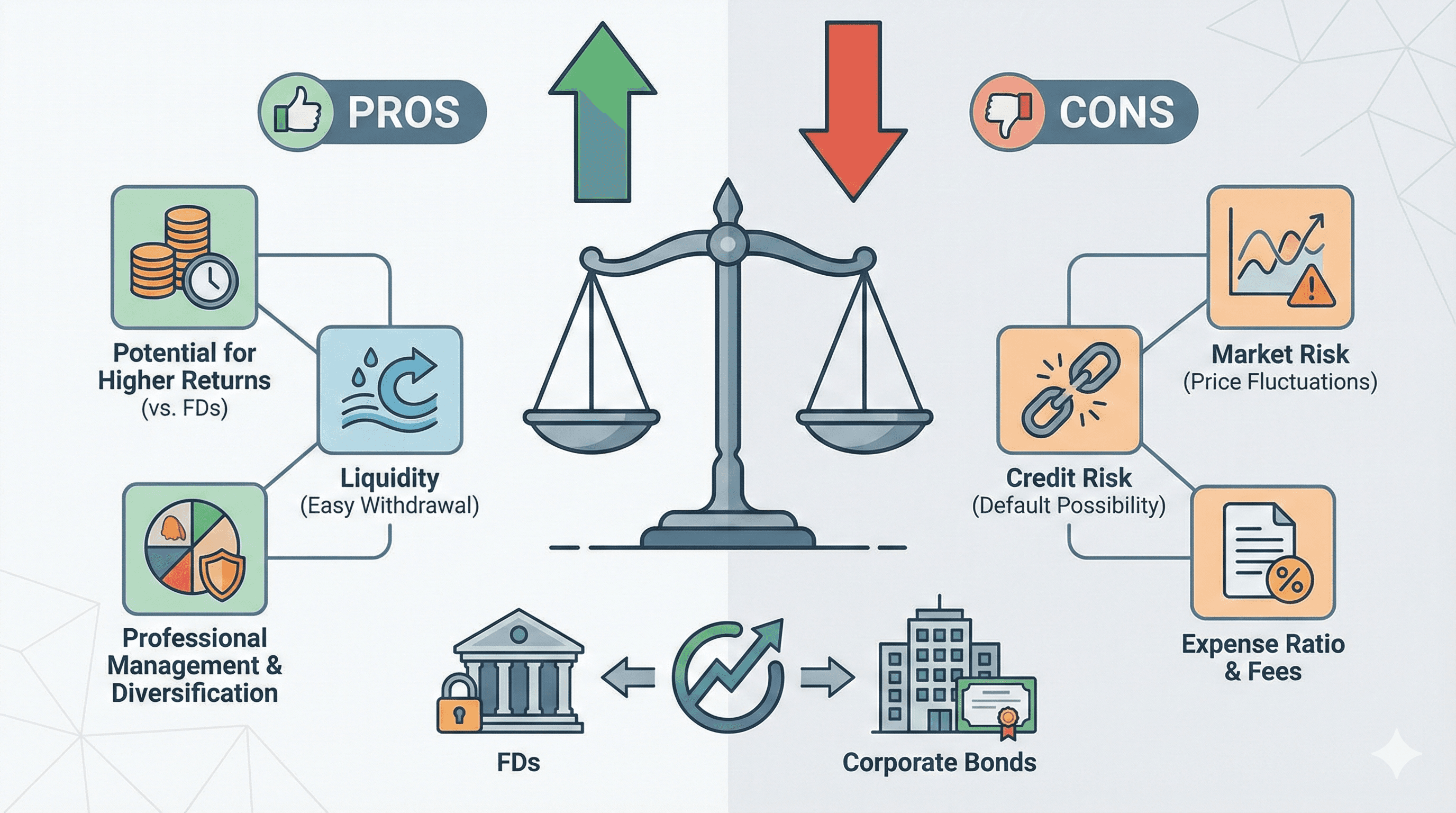
Decoding Debt Mutual Funds (Part III – The Decision Making)
Jan 27, 2026
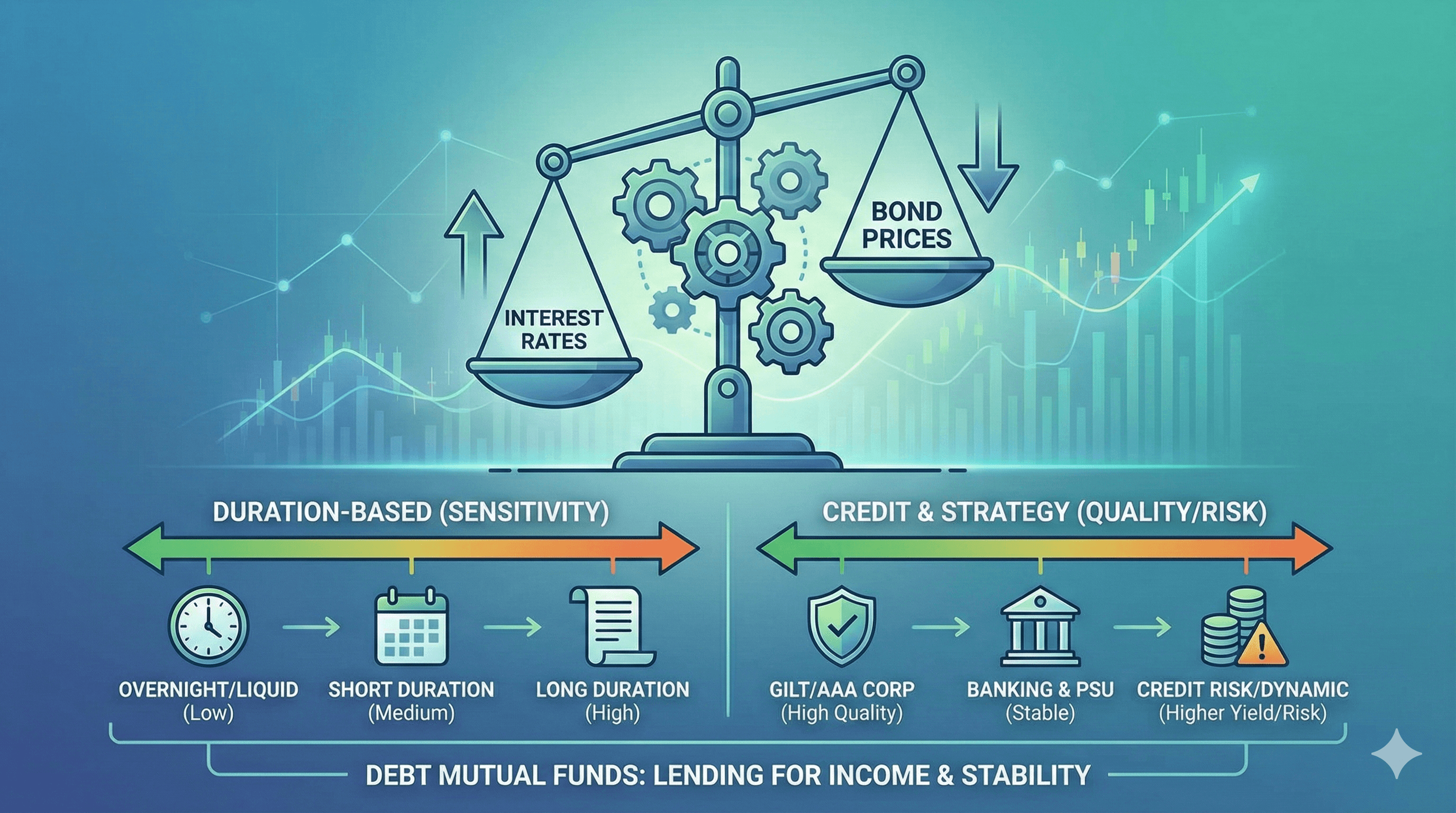
Decoding Debt Mutual Funds (Part II - Where they stand in the fixed income landscape?)
Jan 26, 2026
Decoding Debt Mutual Funds (Part 1 – The Basics)

Jan 27, 2026
The Retail Tsunami: Dissecting 6 Years of Mutual Fund Growth (2019-2025)

Jan 5, 2026
Changes in Fund Manager - December 2025

Dec 26, 2025
Know Your Mutual Fund House (SBI MF)

Dec 24, 2025
The Long Road to “Mutual Funds Sahi Hai” – A History of Mutual Funds

Jan 16, 2026
Less Is More: A Simple Take on Focused Mutual Funds

Dec 31, 2025
Our Mutual Fund Ranking Framework
Jan 19, 2026
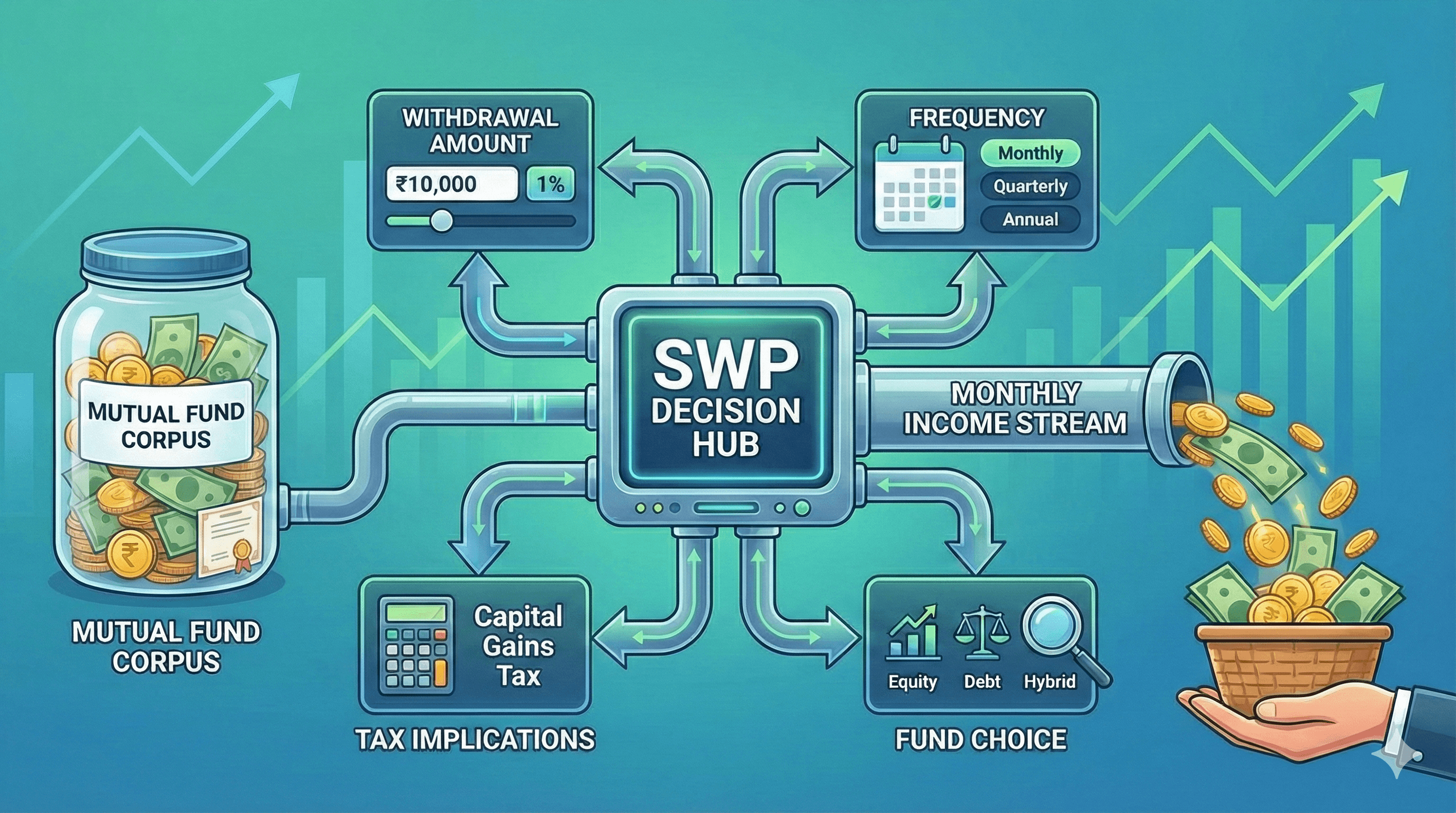
Turn Mutual Funds Into Monthly Income (Part 3 - Key SWP Decisions)
Jan 19, 2026
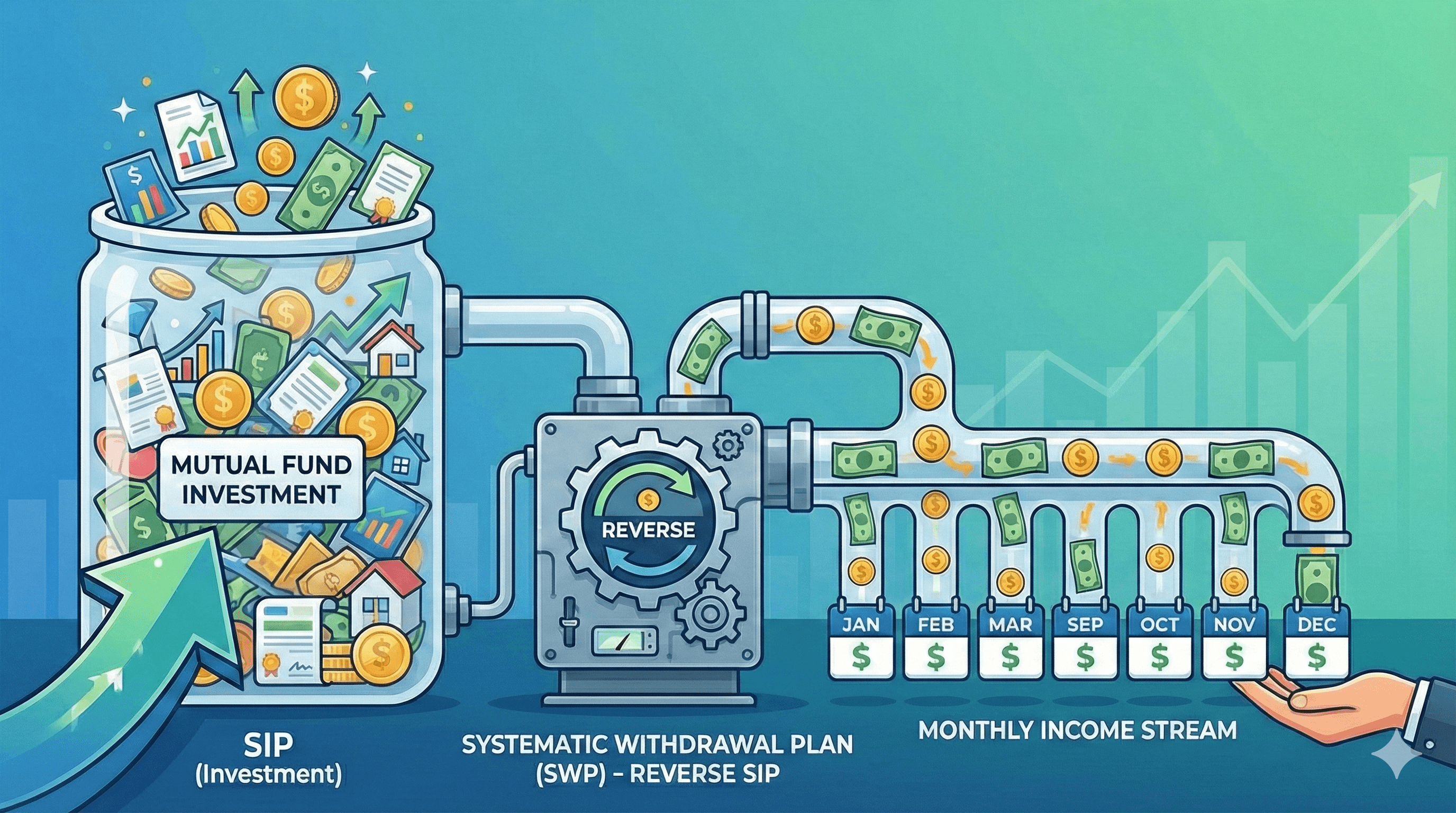
Turn Mutual Funds Into Monthly Income (Part 2 - Systematic Withdrawal Plans - Reverse SIPs)

Jan 19, 2026
Turn Mutual Funds Into Monthly Income (Part 1 - Stocks Give Dividends, Mutual Funds Have IDCW)
Dec 5, 2025
Changes in Fund Manager - November 2025

Dec 4, 2025
Coffee with Creso: Spark more client conversations, one coffee at a time

Dec 1, 2025
You’ve Checked the Returns - But Have You Checked the Taxes? (Part 3 - Taxation for NRIs)
Jan 19, 2026
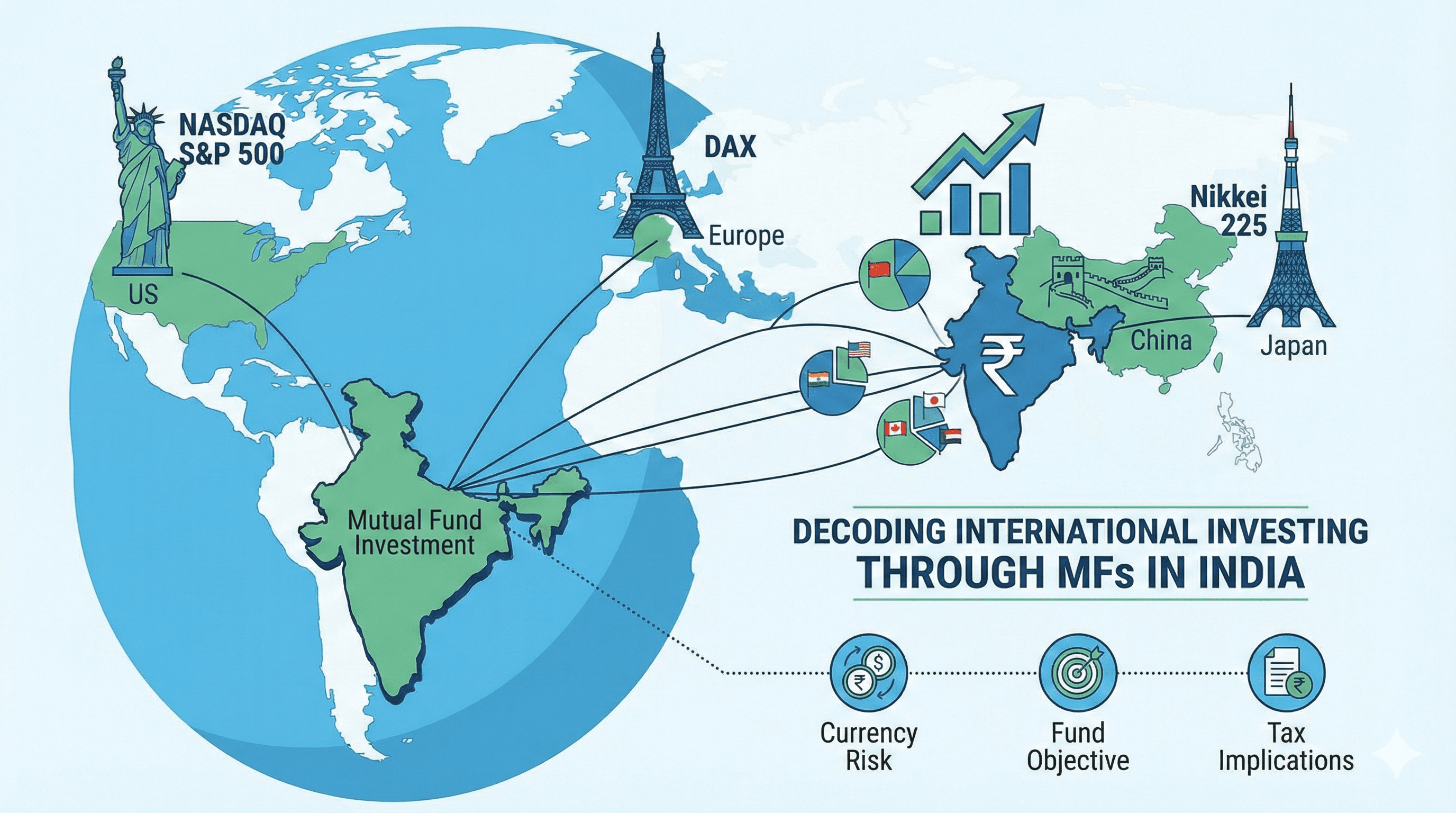
Going Global: How Indian Mutual Funds Let You Invest Beyond Borders

Nov 19, 2025
You’ve Checked The Returns, But Have You Checked The Taxes? (Part 2: Making Smarter Choices)

Nov 18, 2025
You’ve Checked the Returns, But Have You Checked the Taxes? (Part 1:The Basics)

Oct 14, 2025
How Clients Can Change Email or Mobile on MFCentral (Guide for MFDs)

Sep 3, 2025
GST 2025 for MFDs and Insurance Agents: What Changed, What Didn’t

Aug 28, 2025
How to Open a Minor’s Mutual Fund Account in India

Aug 3, 2025
Change of Broker in Mutual Funds
Partners in prosperity