The Core & Satellite Framework: Building Portfolios That Generate Alpha
Mar 10, 2026
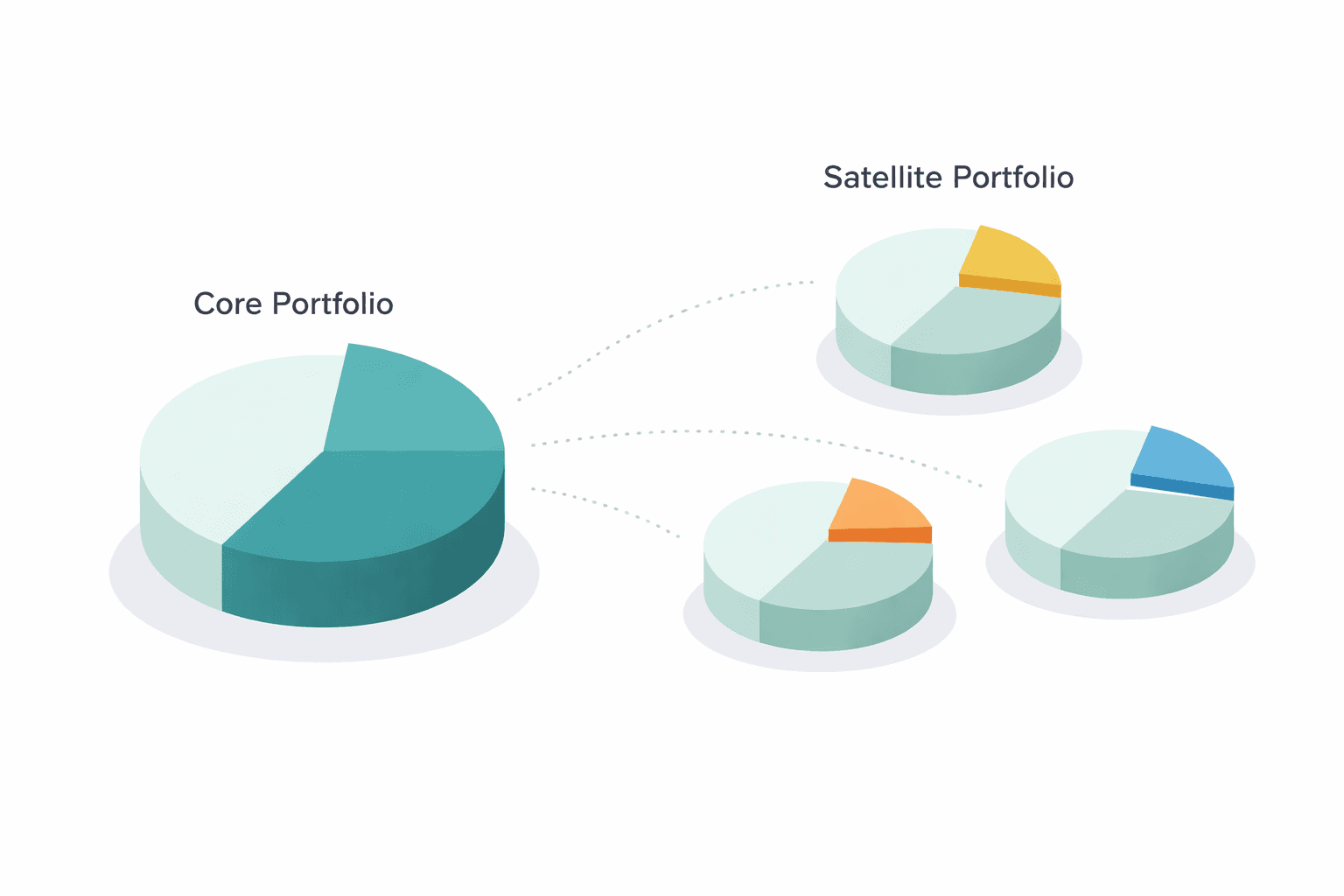
An effective portfolio construction framework for today's Indian market is one that balances stability with strategic aggression. The Core and Satellite approach attempts to achieve exactly this, and when executed with tactical precision, it becomes an alpha generation engine for your clients.
Understanding the Framework
The Core (~80% of the portfolio): This portion is built for stability, wealth preservation, and long-term compounding. It typically comprises of diversified funds like a mix of Large-cap funds, Flexi-cap funds, or Multi-cap funds, where the fund manager handles sectoral rotation and stock selection. The core rides the broad market efficiently.
The Satellite (~20% of the portfolio): This is where the alpha is generated. The satellite comprises targeted, high-conviction allocations like thematic funds, sector funds, or tactical positions to capitalize on specific economic trends, policy shifts, or valuation opportunities. The satellite amplifies returns when themes play out.
Generating Alpha Through Tactical Allocation
Tactical allocation within the satellite space is the art of identifying when, where, and how much to shift; based on market cycles, policy signals, and valuation realities. Here are three proven approaches:
A. Policy-Led Alpha — Follow the Government Capex Trail
In India, government spending is one of the most reliable drivers of sectoral outperformance. When a Union Budget increases allocations to specific areas — as the 2026 Budget did with Carbon Capture and Semiconductors — the downstream impact on related sectors is often swift and significant.
Example: Tactically increase satellite allocation to an Infrastructure or Technology thematic fund in the weeks following a major budget or policy announcement — before the broader market fully prices in the order book implications.
B. Mean Reversion — Buy High Quality When It's Out of Favour
Alpha is frequently found not in what is popular, but in what is temporarily ignored. When a fundamentally strong theme such as Consumption or Healthcare has underperformed for 18-24 months despite solid underlying earnings, it often sets up for a mean reversion.
Example: A tactical entry into a Consumption-themed fund or Healthcare-focused fund during periods of underperformance can generate significant alpha when the sector re-rates back to its long-term trajectory. Patience is the edge here.
C. Sectoral Convergence — Capture Multiple Themes in One Move
One of the most exciting dynamics of 2026 is the emergence of sectoral convergence where themes sit at the intersection of multiple industries simultaneously. The EV Ecosystem, for instance, blends Auto, Chemicals (batteries), Technology, and Infrastructure.
Example: Instead of concentrating in a single sector fund, a tactical allocation to a Business Cycle Fund or MNC Fund can offer cross-sectoral exposure to converging themes, thereby delivering alpha from multiple tailwinds at once, with lower concentration risk than a single-sector bet.
Risk Management in the Satellite Zone
The satellite strategy only delivers sustained alpha when disciplined guardrails are in place. Here is a practical framework for your client conversations:
Satellite allocation is not advisable for each and every client. As an MFD, you need to filter your client list for aggressive client profiles and thoroughly evaluate suitability.
Cap any single theme at 10% of the total portfolio: The goal of the satellite is to enhance returns, not to become a source of existential risk if a specific theme takes longer than expected to mature.
Define entry conditions clearly: Is there a policy tailwind? Is the sector trading at a valuation discount? Both conditions being present simultaneously is a powerful entry signal.
Always set an exit trigger in advance: Unlike the core portfolio (which is held for the long term), satellite positions must have a defined goal. For example: 'I will exit this Manufacturing theme once the private capex cycle peaks or PE multiples exceed a specific threshold'. Similar conditions need to be defined for negatives also (for example, there is clear indication/expectation of fiscal prudence in the medium term, I will exit capex heavy themes)
Ensure the satellite positions add diversification, not redundancy, to the core portfolio
The current Indian market is rewarding alignment over broad exposure. By helping your clients understand which sectors are powering the economy and by constructing portfolios that intelligently balance core stability with satellite alpha, you move from being a product distributor to a trusted financial partner.
DISCLAIMER
This blog has been prepared for informational and educational purposes only and is intended solely for MFD partners. It is not intended to be, and should not be construed as, investment advice, a research report, or a recommendation to buy or sell any securities or mutual fund schemes.
The sectoral analysis, data, and views expressed in this document are based on publicly available information and internal research as of March 2026. Past performance of any sector, theme, fund category, or investment strategy is not indicative of future results. Mutual fund investments are subject to market risks. Please read all scheme-related documents carefully before investing.
The Core and Satellite portfolio framework, tactical allocation strategies, and illustrative allocation percentages mentioned herein are conceptual in nature and are not personalised investment recommendations. The suitability of any investment strategy depends on individual investor risk profile, investment horizon, financial goals, and tax status. MFD partners are advised to assess each client's individual circumstances before suggesting any portfolio strategy.
Sector funds and thematic funds carry higher concentration risk compared to diversified mutual funds. Investors in such funds are exposed to the risk of underperformance specific to that sector or theme. These funds are more suitable for investors with a higher risk appetite and a longer investment horizon.
Read more from our Blogs

Mar 13, 2026
How GST on Mutual Fund Distributor Commission Changes Everything (April 1, 2026)

Mar 12, 2026
How to Become a Mutual Fund Distributor in India: A Practical Guide for 2026

Mar 10, 2026
Understanding the numbers: What Equity & Hybrid Fund Managers Are Actually Doing

Feb 18, 2026
The Modern Gold Rush: Part III - The Silent Thieves – Hidden Costs, Tracking Errors, and the FOMO Trap

Feb 17, 2026
The Modern Gold Rush: Part II - The Art of the Mix – How Much Gold is Too Much?
Feb 16, 2026
The Modern Gold Rush: Part I – Why Your Locker may be the Wrong Place for Your Wealth

Feb 2, 2026
The Union Budget 2026 - Takeways for Mutual Fund Distributors
Jan 28, 2026
Decoding Debt Mutual Funds (Part III – The Decision Making)
Jan 27, 2026
Decoding Debt Mutual Funds (Part II - Where they stand in the fixed income landscape?)
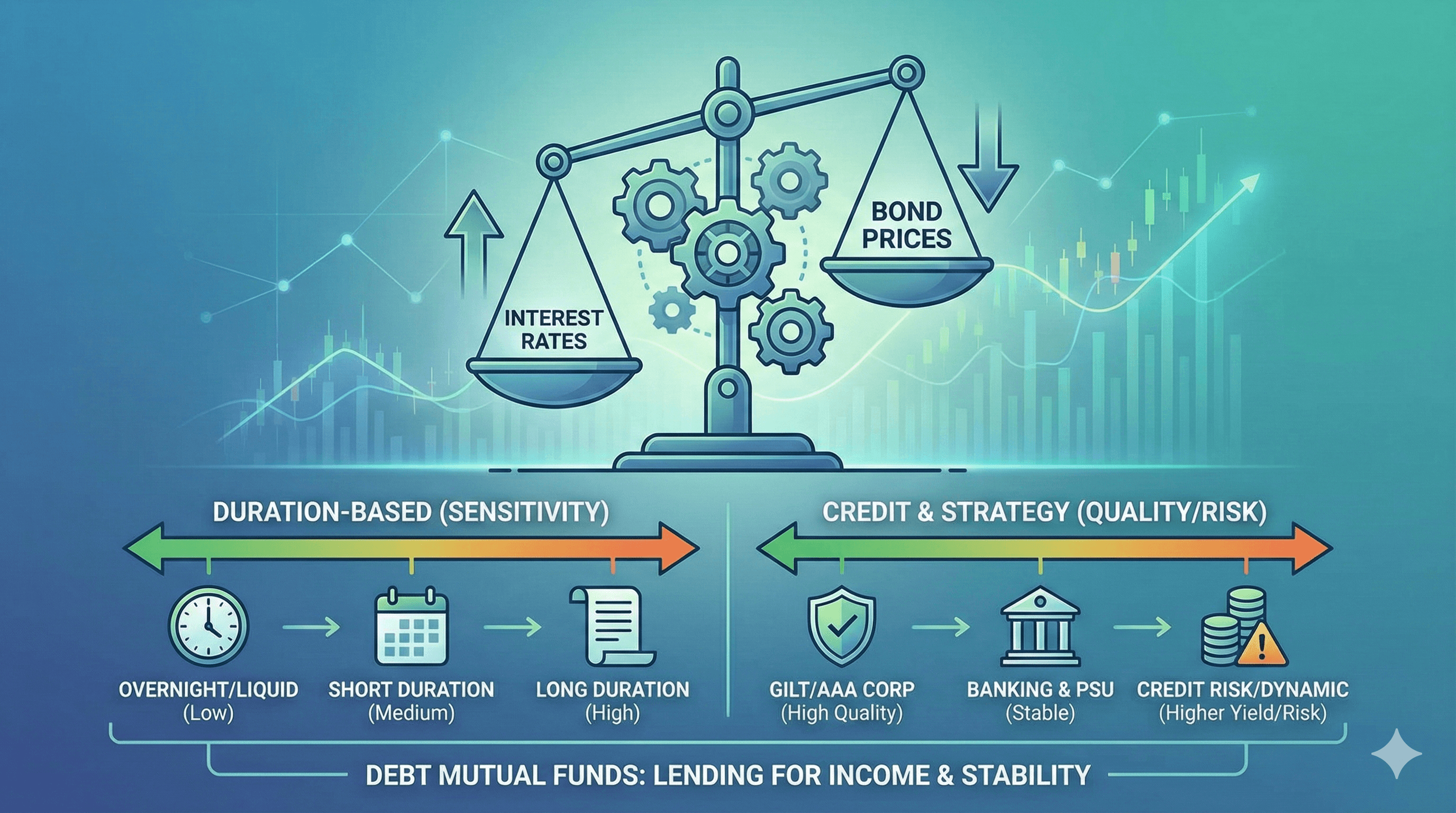
Jan 26, 2026
Decoding Debt Mutual Funds (Part 1 – The Basics)

Jan 27, 2026
The Retail Tsunami: Dissecting 6 Years of Mutual Fund Growth (2019-2025)

Jan 5, 2026
Changes in Fund Manager - December 2025
Dec 26, 2025
Know Your Mutual Fund House (SBI MF)

Dec 24, 2025
The Long Road to “Mutual Funds Sahi Hai” – A History of Mutual Funds

Jan 16, 2026
Less Is More: A Simple Take on Focused Mutual Funds

Dec 31, 2025
Our Mutual Fund Ranking Framework
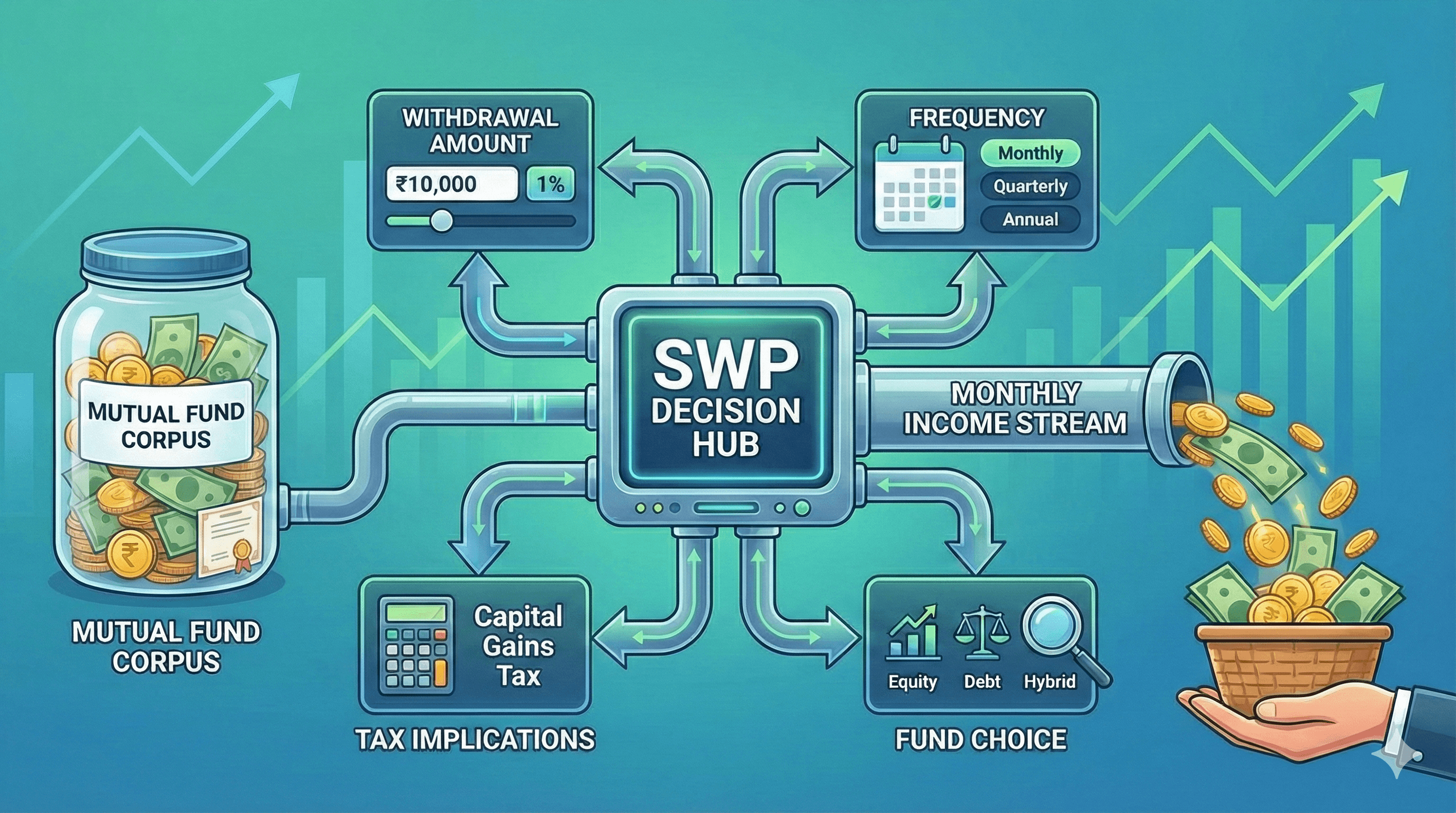
Jan 19, 2026
Turn Mutual Funds Into Monthly Income (Part 3 - Key SWP Decisions)
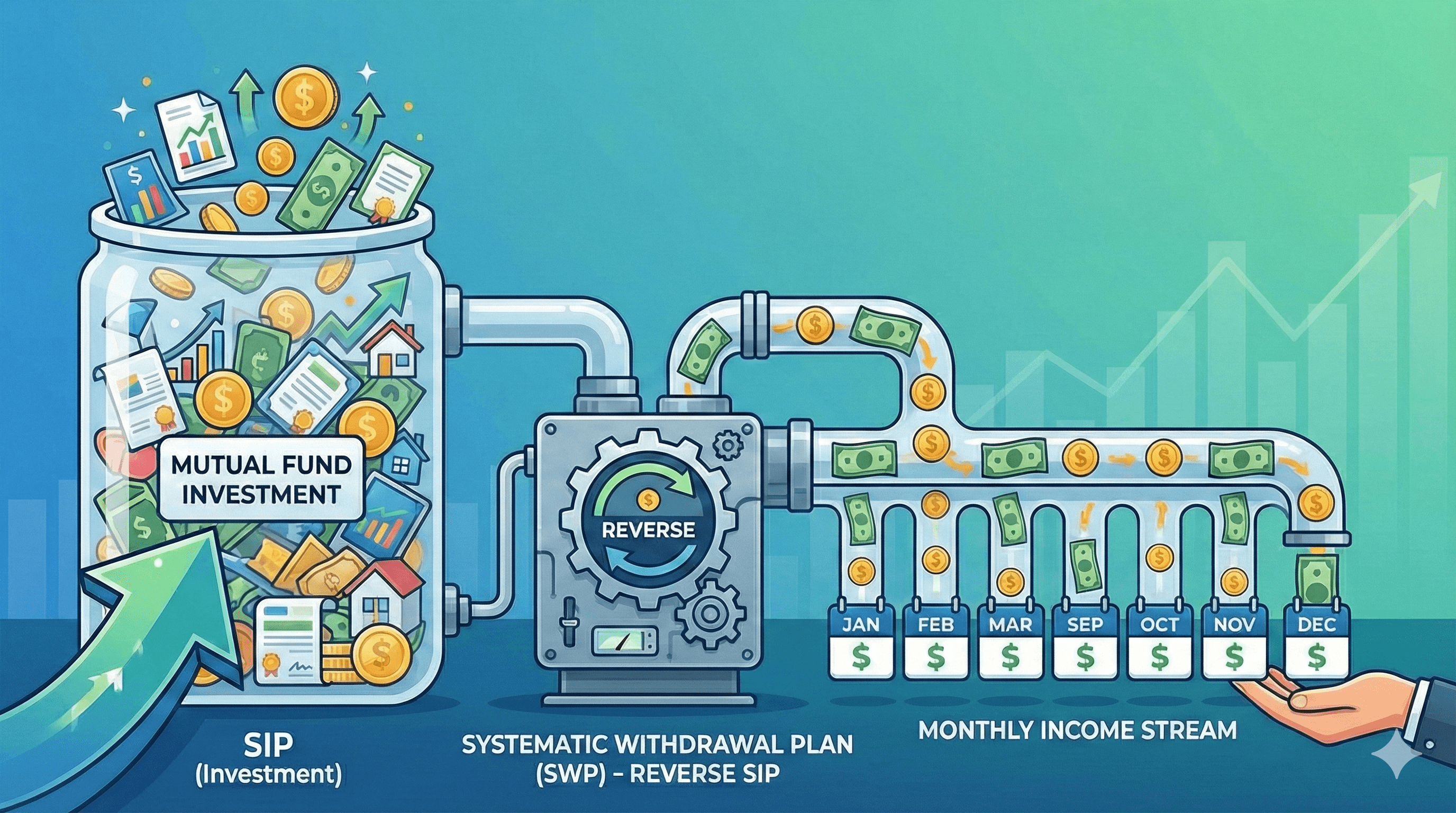
Jan 19, 2026
Turn Mutual Funds Into Monthly Income (Part 2 - Systematic Withdrawal Plans - Reverse SIPs)
Jan 19, 2026
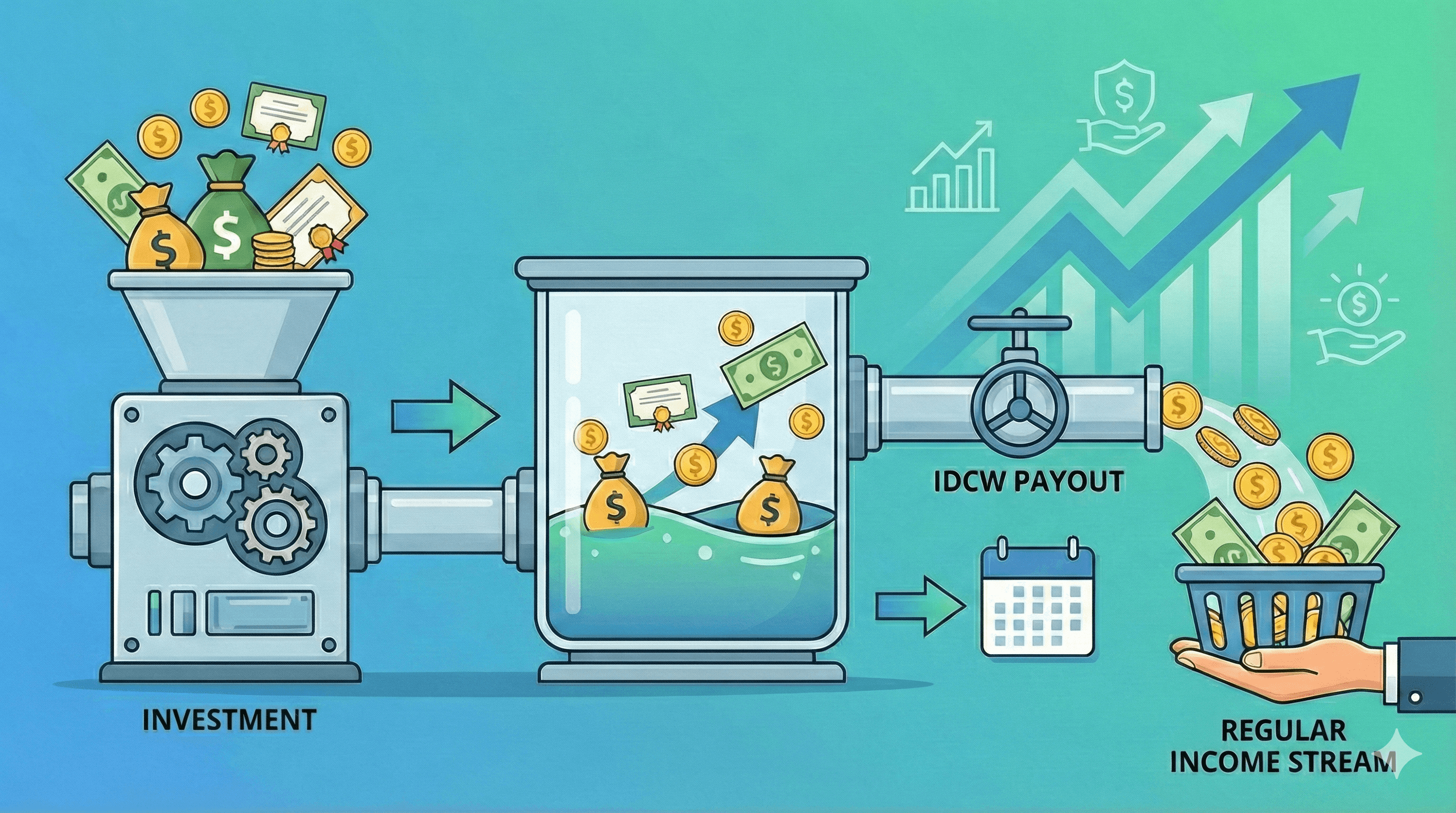
Turn Mutual Funds Into Monthly Income (Part 1 - Stocks Give Dividends, Mutual Funds Have IDCW)
Dec 5, 2025
Changes in Fund Manager - November 2025

Dec 4, 2025
Coffee with Creso: Spark more client conversations, one coffee at a time
Dec 1, 2025
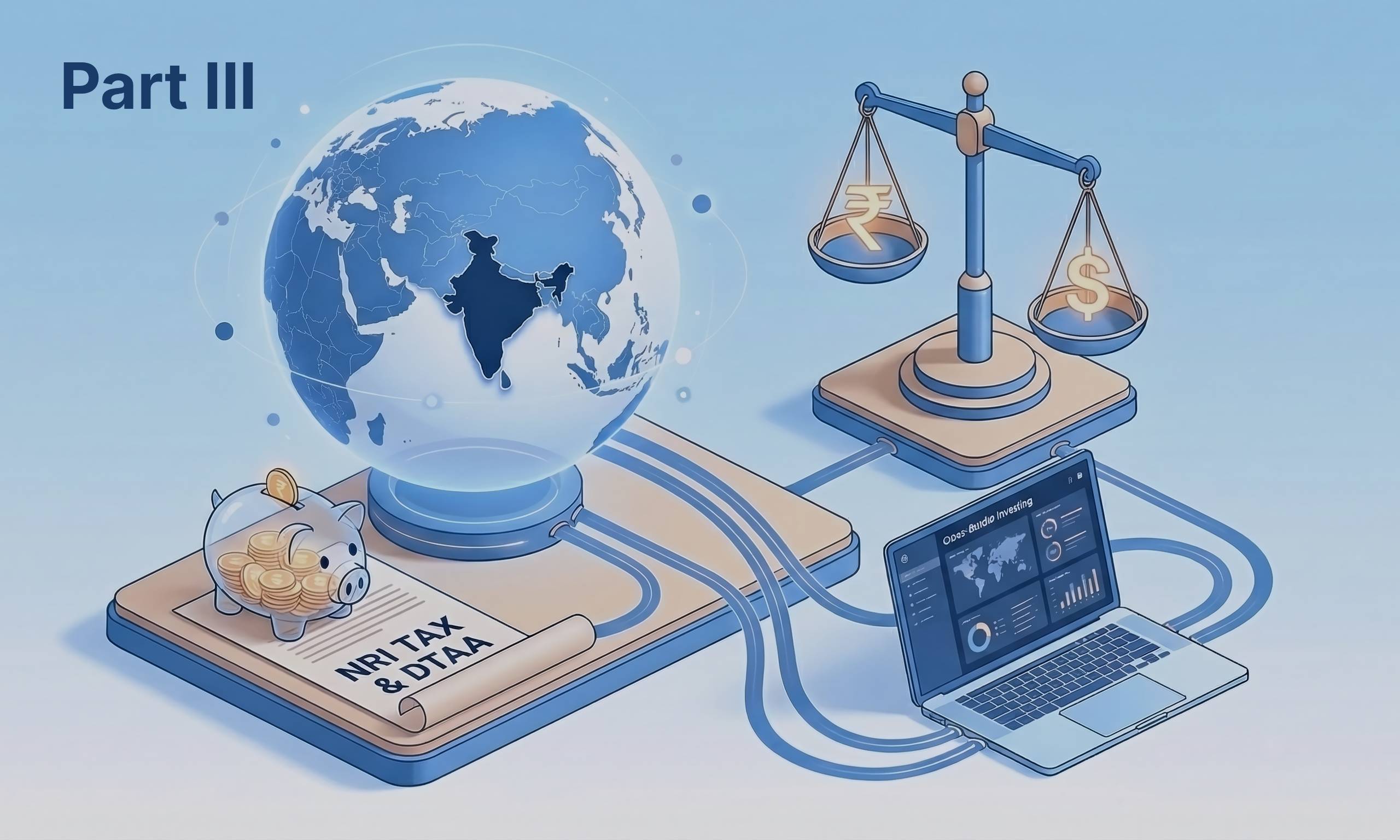
You’ve Checked the Returns - But Have You Checked the Taxes? (Part 3 - Taxation for NRIs)
Jan 19, 2026
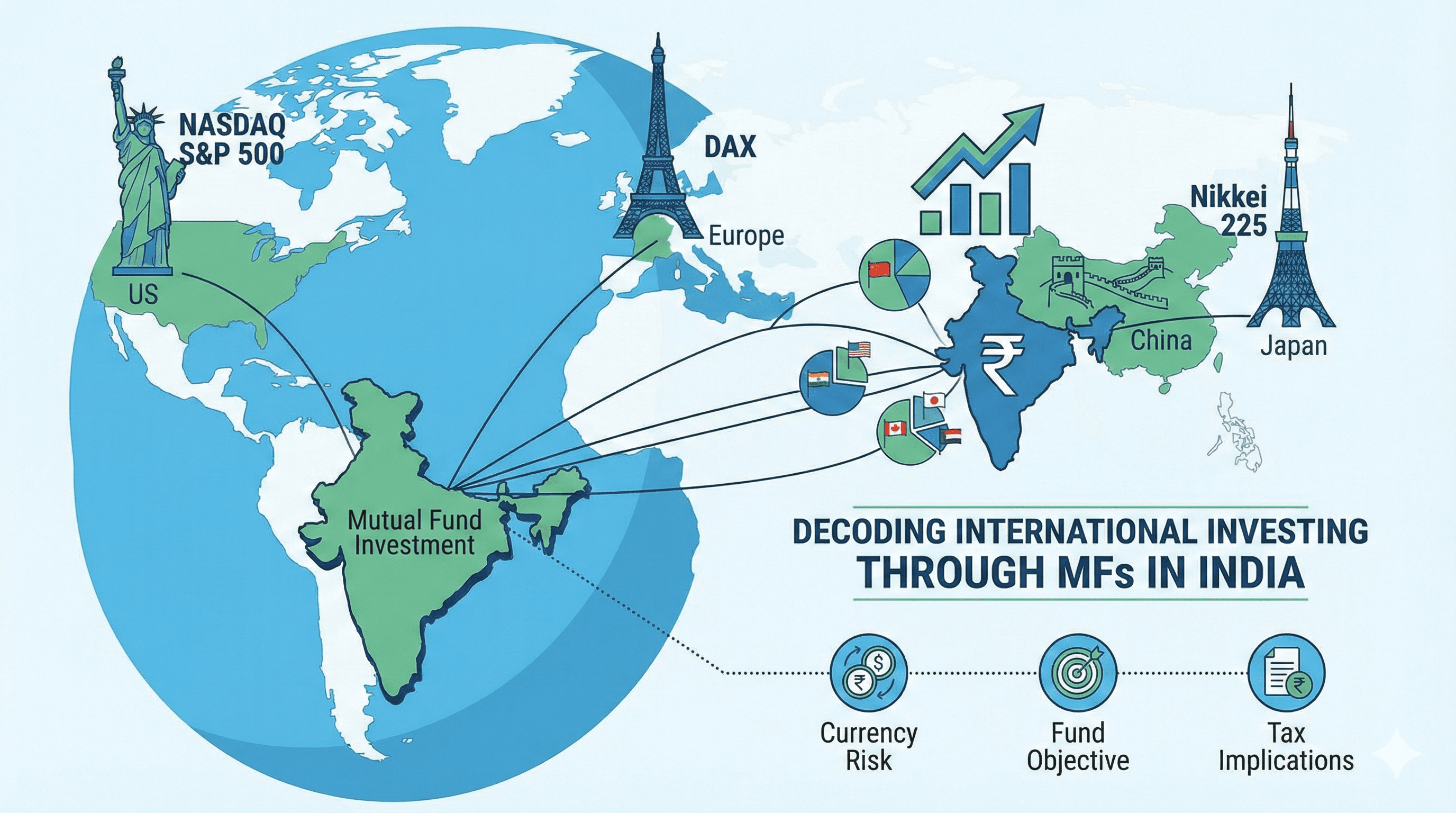
Going Global: How Indian Mutual Funds Let You Invest Beyond Borders
Nov 19, 2025
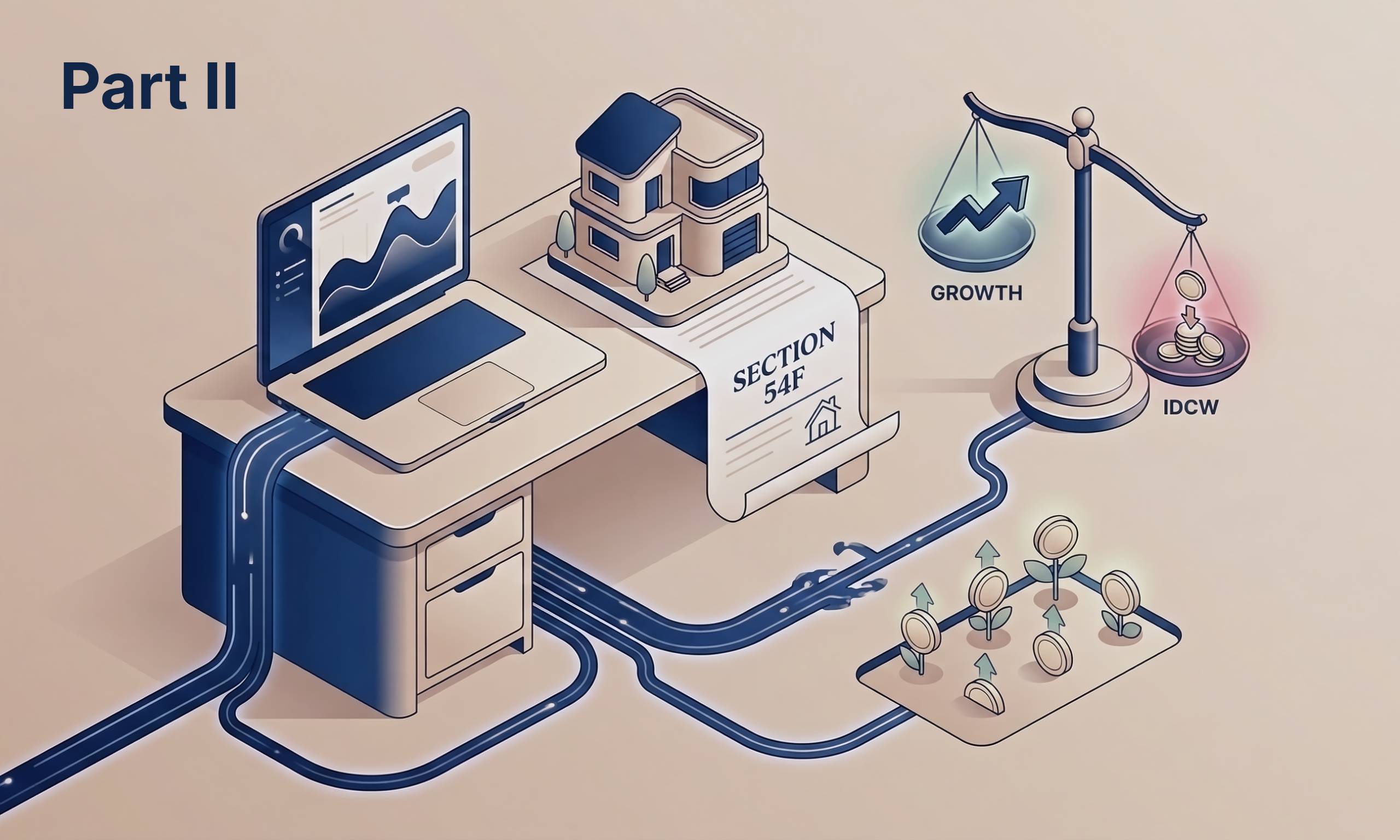
You’ve Checked The Returns, But Have You Checked The Taxes? (Part 2: Making Smarter Choices)

Nov 18, 2025
You’ve Checked the Returns, But Have You Checked the Taxes? (Part 1:The Basics)

Oct 14, 2025
How Clients Can Change Email or Mobile on MFCentral (Guide for MFDs)

Sep 3, 2025
GST 2025 for MFDs and Insurance Agents: What Changed, What Didn’t

Aug 28, 2025
How to Open a Minor’s Mutual Fund Account in India

Aug 3, 2025
Change of Broker in Mutual Funds
Partners in prosperity